
Dr. Sayali Chavan Shitole at Femcare Fertility, Kalyani Nagar, Pune, performs minimally invasive laparoscopic and hysteroscopic procedures to treat endometriosis, uterine fibroids, ovarian cysts, polyps and intrauterine adhesions that affect fertility. These procedures are performed before IVF to optimise uterine conditions. Consultation: ₹500.
When an investigation reveals a uterine polyp, ovarian cyst, intrauterine adhesion, or significant endometriosis, the question becomes: should this be treated before fertility treatment begins? In most cases, the answer is yes - and the treatment is a minimally invasive surgical procedure that typically requires only a short admission, leaves no large scars and allows the body to recover quickly before the fertility treatment resumes.
Dr. Sayali Chavan Shitole is trained and experienced in both laparoscopic and hysteroscopic surgery, offering patients at Femcare Fertility in Kalyani Nagar a surgical option that directly improves fertility outcomes rather than simply treating a condition in isolation.
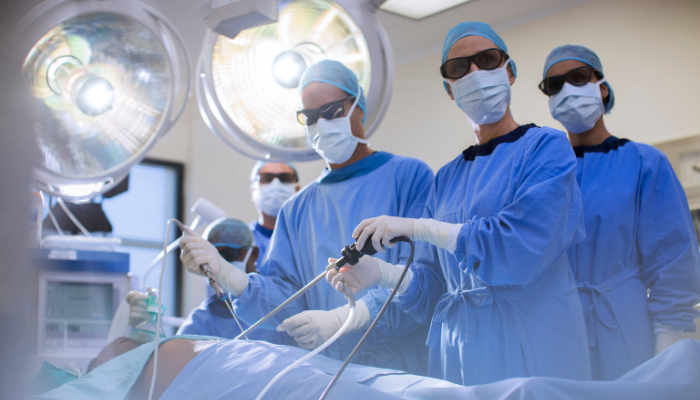
Laparoscopy is a surgical technique using a thin telescope (laparoscope) inserted through a small incision just below the navel. The surgeon views the pelvic and abdominal organs on a video screen and uses fine instruments through 1-2 additional small incisions to perform the operation. Because there is no large abdominal cut, recovery is much faster - most patients return home the same day or after one night and resume normal activity within a week.
Conditions Treated Laparoscopically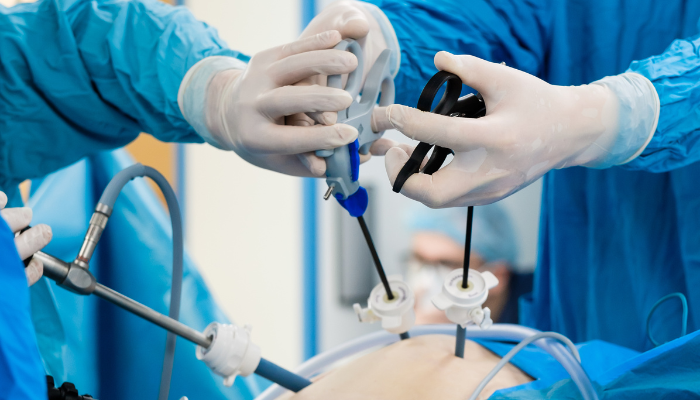
Hysteroscopy involves passing a thin, lighted telescope through the cervix into the uterine cavity - no incisions at all. It provides a direct, clear view of the inside of the uterus, which ultrasound often cannot show with enough detail.
Conditions Treated HysteroscopicallyUterine polyps - benign growths on the inner lining that can prevent implantation
Submucous fibroids - fibroids that protrude into the uterine cavity and directly impair embryo implantation
Intrauterine adhesions (Asherman's syndrome) - scar tissue inside the uterus, often from previous curettage (D&C), that can cause amenorrhoea and repeated implantation failure
Uterine septum - a fibrous wall dividing the uterine cavity, associated with recurrent miscarriage and preterm birth
Research consistently shows that certain uterine abnormalities, when corrected before IVF, improve implantation rates and reduce miscarriage risk. A polyp as small as 1 cm in the uterine cavity has been shown to halve implantation rates in IVF cycles. Removing it restores the endometrial surface and gives the transferred embryo a significantly better chance of implanting.
Dr. Sayali performs hysteroscopy routinely before IVF in patients with suspected or confirmed uterine abnormalities on scan and as part of the workup for recurrent implantation failure.
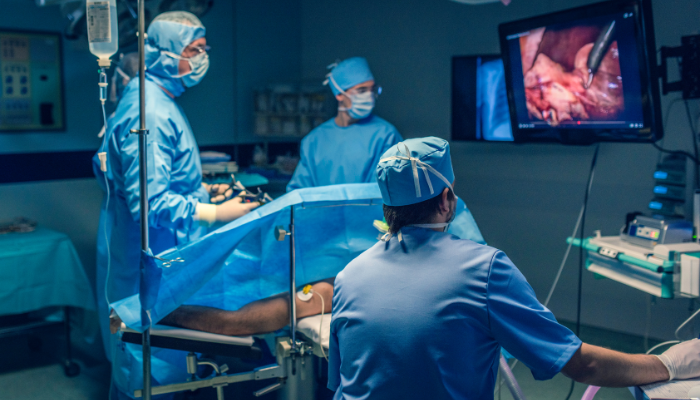
Hysteroscopy is usually a day procedure with minimal discomfort and no significant downtime. Laparoscopy requires a short admission and approximately one week of rest, with full recovery in 2-3 weeks. Dr. Sayali discusses the specific recovery timeline for each procedure at the pre-operative consultation.