ICSI (Intracytoplasmic Sperm Injection) at Femcare Fertility, Kalyani Nagar, Pune involves injecting a single selected sperm directly into a mature egg to achieve fertilisation. It is performed as part of an IVF cycle by Dr. Sayali Chavan Shitole for cases of severe male infertility, low fertilisation, or surgical sperm retrieval.
Male factor infertility contributes to approximately 40-50% of all infertility cases globally. Yet it remains underdiagnosed in India, partly because investigation and treatment have historically been focused on the female partner. Use this to establish ICSI as a critical, evidence-based solution for the under-treated male side of infertility in Pune.
When a semen analysis comes back with numbers that seem discouraging - a very low sperm count, almost no motile sperm, or poor morphology - it can feel like the end of the road. It is not. ICSI (Intracytoplasmic Sperm Injection) was developed specifically for situations where conventional IVF would have minimal chance of achieving fertilisation and it has changed the reproductive outlook for thousands of couples dealing with severe male factor infertility.
At Femcare Fertility in Kalyani Nagar, Pune, Dr. Sayali Chavan Shitole offers ICSI as part of a complete IVF protocol, with meticulous embryo selection and the same patient-centred approach she applies to every treatment she provides.
In standard IVF, a large number of prepared sperm are placed in a dish with a mature egg and left to fertilise naturally. This works well when sperm quality is good. But when sperm count is very low, motility is severely impaired, or morphology is abnormal, there may not be enough functional sperm to achieve fertilisation on their own.
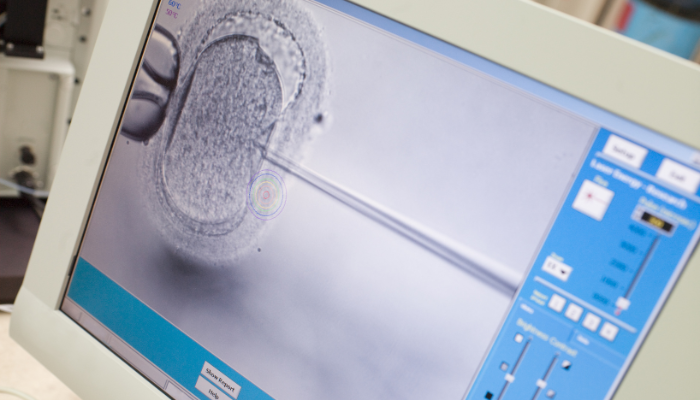
In ICSI, an embryologist selects a single, healthy-looking sperm under high-magnification microscopy and injects it directly into the cytoplasm of a mature egg using a fine glass needle. This bypasses the need for sperm to penetrate the egg independently and achieves fertilisation even when only a handful of viable sperm are available.
Very low sperm count (severe oligozoospermia) - fewer than 5 million total motile sperm
Complete absence of sperm in the ejaculate (azoospermia) requiring surgical retrieval (TESA/PESA)
High sperm DNA fragmentation affecting fertilisation potential
Poor sperm morphology (teratozoospermia) with fewer than 4% normal forms
Previous IVF cycle with low or zero fertilisation rate
Frozen-thawed sperm with reduced post-thaw viability
Eggs retrieved after fertility preservation thawing, where reduced egg quantity means every fertilisation attempt matters

The first phase of ICSI is identical to IVF: ovarian stimulation using hormonal injections, regular ultrasound monitoring at Femcare Fertility and egg retrieval under sedation when follicles reach the right size.
Sperm Preparation or Surgical RetrievalIf sperm are present in the ejaculate, a fresh sample is collected on the day of egg retrieval, washed and prepared. If azoospermia is the issue, Dr. Sayali coordinates with a urologist for TESA (Testicular Sperm Aspiration) or PESA (Percutaneous Epididymal Sperm Aspiration) to retrieve sperm directly from the testes or epididymis.
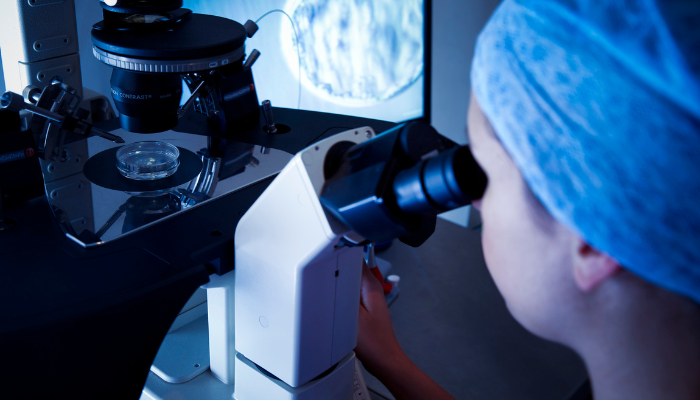
Mature eggs (MII stage) are identified under the microscope. An embryologist immobilises a selected sperm and injects it into the egg using a micromanipulator. The eggs are then returned to the incubator. Fertilisation is confirmed the following morning.
Embryo Culture, Grading and TransferFertilised eggs (zygotes) develop into embryos over 3-5 days. The quality embryo is selected for transfer. Additional good-quality embryos can be vitrified (frozen) for future cycles.
ICSI achieves fertilisation in approximately 70-80% of injected mature eggs in well-performed cycles. The overall pregnancy rate depends on embryo quality and uterine factors - it is similar to IVF in women with no uterine issues. Dr. Sayali reviews all relevant parameters to give you an honest, personalised estimate.
Patients travelling to Femcare Fertility for ICSI from Viman Nagar, Kharadi, Nagar Road, Koregaon Park and Hadapsar find the clinic accessible on working days. Dr. Sayali personally oversees the stimulation monitoring and consults with the embryology team at every stage.