
Ovulation induction at Femcare Fertility, Kalyani Nagar, Pune involves oral medications (Letrozole or Clomiphene) or injectable gonadotropins to stimulate ovulation in women with PCOS or irregular cycles, combined with serial ultrasound monitoring. Supervised by Dr. Sayali Chavan Shitole. Consultation: ₹500.
Ovulation - the release of a mature egg from the ovary - is something many women assume is happening every month without ever checking. But for women with PCOS, hypothalamic amenorrhoea, thyroid disorders, or unexplained cycle irregularity, ovulation can be infrequent, unpredictable, or absent altogether. When ovulation does not occur, conception is not possible.
Ovulation induction is the process of stimulating the ovaries with medication to produce and release an egg in a controlled, monitored way. It is one of the most commonly performed fertility treatments at Femcare Fertility in Kalyani Nagar, Pune - often the first treatment step for women who are not ovulating regularly.
Polycystic Ovarian Syndrome (PCOS) - the most common cause of ovulatory dysfunction , affecting 1 in 5 women of reproductive age in India
Hyperprolactinaemia - elevated prolactin levels that suppress ovulation
Hypothyroidism - an underactive thyroid that disrupts the hormonal axis controlling ovulation
Hypothalamic amenorrhoea - often linked to low body weight, excessive exercise, or chronic stress
Premature ovarian insufficiency - reduced ovarian function before age 40

Letrozole is now the first-choice oral medication for ovulation induction in PCOS , having replaced Clomiphene in most fertility guidelines. It works by temporarily reducing oestrogen levels, prompting the pituitary gland to increase FSH output and trigger follicle development. Letrozole is associated with a lower risk of multiple follicle development than Clomiphene, reducing the chance of twins.
Clomiphene CitrateClomiphene has been used for ovulation induction for over 50 years and is still appropriate in selected cases. It blocks oestrogen receptors in the brain, stimulating FSH release. Dr. Sayali uses Clomiphene in specific clinical situations and monitors closely for response.
Injectable GonadotropinsFor women who do not respond to oral medications, or for IUI cycles requiring more precise follicle control, low-dose FSH injections provide a stronger stimulus. These require more frequent monitoring but allow greater control over the number of developing follicles.
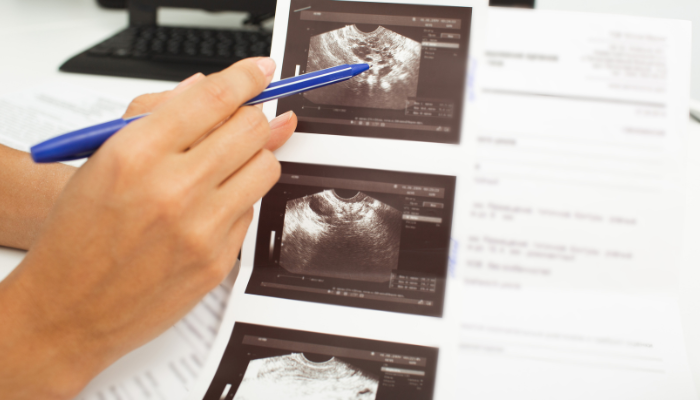
Taking a medication and hoping for the best is not an effective fertility strategy. At Femcare Fertility, every ovulation induction cycle is monitored with serial transvaginal ultrasound scans. Dr. Sayali tracks:
When the follicle reaches the correct size, a trigger injection (hCG) is given to time ovulation precisely. Intercourse or IUI is then scheduled for the optimal window.
Dr. Sayali typically recommends 3-4 monitored cycles of ovulation induction before stepping up to IUI or IVF, depending on the diagnosis. If ovulation is confirmed but pregnancy is not achieved after several cycles, the treatment plan is reassessed.
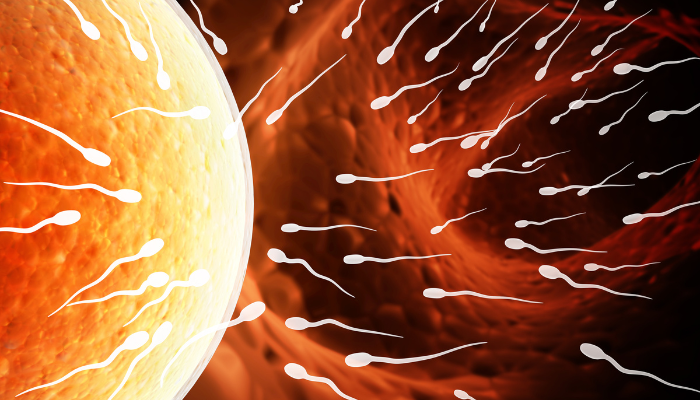
When ovulation induction is combined with IUI , the sperm is placed in the uterus at exactly the same time the triggered egg is released, significantly improving the chance of fertilisation compared to unmonitored natural timing.