
Male infertility treatment at Femcare Fertility, Kalyani Nagar, Pune addresses low sperm count, poor motility, abnormal morphology and azoospermia through semen analysis, hormonal evaluation, IUI, or ICSI. Dr. Sayali Chavan Shitole coordinates investigations and treatment for both partners. Consultation: ₹500.

When a couple struggles to conceive, the investigation usually begins with the female partner. Blood tests, ultrasound scans, a hysteroscopy evaluation - the female side gets thoroughly checked while the semen analysis, which takes 30 minutes and requires no invasive procedure, is often delayed or skipped altogether. This is one of the most common and costly mistakes in fertility medicine.
Male factor infertility contributes to approximately 40-50% of all cases of couple subfertility. In many cases, it is the only cause. Dr. Sayali Chavan Shitole at Femcare Fertility in Kalyani Nagar, Pune, insists on evaluating both partners from the first consultation, because treating only one side of an infertile couple is never an efficient approach.
Semen analysis is the starting point of male fertility evaluation. A fresh ejaculate sample is examined under the microscope to assess:

When sperm count is very low or absent, blood tests measuring FSH, LH, testosterone and prolactin help distinguish between testicular failure, hormonal problems and obstructive causes of azoospermia.
Sperm DNA Fragmentation TestingStandard semen analysis can be completely normal, yet sperm DNA fragmentation - breaks in the genetic material carried by sperm - can still lead to fertilisation failure or recurrent early miscarriage. Dr. Sayali recommends sperm DNA fragmentation testing in cases of unexplained infertility, recurrent pregnancy loss, or repeated IVF failure.

Mild-to-moderate oligozoospermia (1-15 million/mL) may respond to IUI in selected cases. Severe oligozoospermia ( "<" 5 million / mL) typically requires ICSI within an IVF cycle.
Asthenozoospermia - Poor MotilityWhen less than 32% of sperm show progressive movement, fertilisation capability is reduced. ICSI allows selection of the most viable sperm regardless of overall motility percentages.
Azoospermia - No Sperm in EjaculateObstructive azoospermia (blocked vas deferens or ejaculatory ducts) can often be treated with PESA (Percutaneous Epididymal Sperm Aspiration). Non-obstructive azoospermia requires TESA (Testicular Sperm Aspiration) coordinated with a urologist. Retrieved sperm are used with ICSI.
Elevated Sperm DNA FragmentationLifestyle modifications (stopping smoking, reducing alcohol, antioxidant supplements), along with a shorter ejaculatory interval, can reduce fragmentation. Where fragmentation is very high, surgically retrieved testicular sperm - which have lower DNA damage than ejaculated sperm - can be used with ICSI.
Smoking - reduces sperm count, motility and significantly increases DNA fragmentation
Alcohol - affects testosterone production and sperm motility
Obesity - alters hormonal balance and increases scrotal temperature
Heat exposure - frequent use of hot tubs, saunas, or tight clothing
Anabolic steroids - suppress the hormonal axis responsible for sperm production
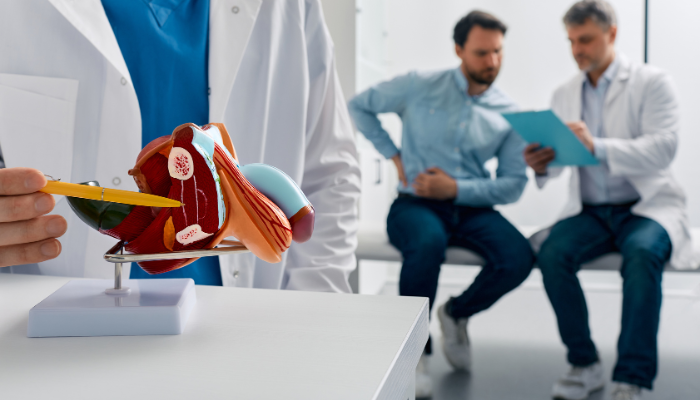
At Femcare Fertility, Dr. Sayali evaluates the male partner as a core part of every infertility workup. She communicates results clearly to both partners, recommends the most appropriate treatment and coordinates with specialist urologists for surgical sperm retrieval when needed. Couples from Viman Nagar, Kharadi, Nagar Road, Koregaon Park and Hadapsar come to Femcare Fertility specifically for this whole-couple approach to fertility care.