

Pregnancy is a joyful time for most families, but when additional medical factors are involved, it becomes a time that also requires careful clinical attention. A pregnancy is considered high-risk when either the mother's or baby's health - or both - faces an elevated chance of complications. This does not mean something will go wrong, but it does mean closer monitoring, more frequent appointments and a doctor who takes every result seriously.
Dr. Sayali Chavan Shitole at Femcare Fertility in Kalyani Nagar, Pune, has 15 years of experience managing both the fertility and obstetric sides of a pregnancy journey. For patients who conceived through IVF or after treatment for infertility, continuity of care with the same doctor through a high-risk pregnancy carries an added dimension of comfort and clinical context.
Diabetes (Type 1 or Type 2) requiring insulin or oral medication
Chronic hypertension or previous history of pre-eclampsia
Thyroid disorders, particularly hypothyroidism, which can affect fetal brain development
Autoimmune conditions such as lupus or antiphospholipid syndrome
Cardiac conditions or previous major surgeries

Gestational diabetes mellitus (GDM) - blood sugar raised only during pregnancy
Pregnancy-induced hypertension and pre-eclampsia
Placenta praevia or placental abruption
Intrauterine growth restriction (IUGR) - baby growing slower than expected
Preterm labour or cervical incompetence
Multiple gestation - twin or triplet pregnancies, which carry higher risks of preterm birth and growth discordance
Advanced maternal age (over 35)
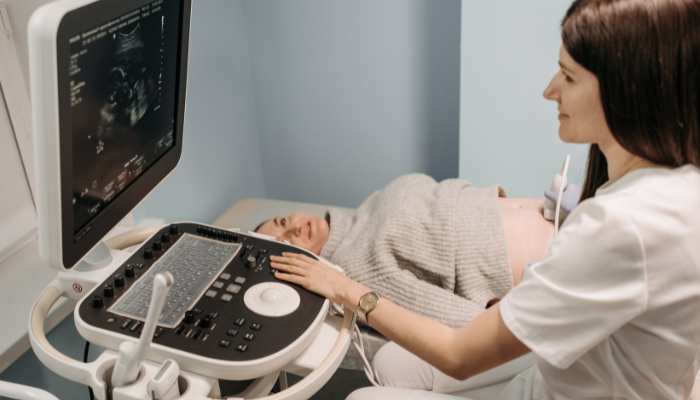
Managing a high-risk pregnancy is not about alarm - it is about structure. Dr. Sayali builds a monitoring schedule appropriate to each patient's specific risk profile, using more frequent ultrasound scans, blood tests and clinical reviews than standard antenatal care. Key milestones are tracked with precision and any deviation from expected growth or clinical parameters is addressed early, when intervention has the greatest impact.
Gestational diabetes affects approximately 10-14% of pregnancies in urban India and is higher in women with PCOS or a family history of Type 2 diabetes. Dr. Sayali screens for GDM between 24-28 weeks (or earlier if risk factors are present) and provides a comprehensive management plan including dietary guidance, blood glucose monitoring and medication if needed. Tight sugar control reduces the risk of a large-for-gestational-age baby, complicated delivery and neonatal complications.
Pre-eclampsia - characterised by high blood pressure and protein in the urine after 20 weeks - requires close observation and sometimes early delivery to protect both mother and baby. Dr. Sayali monitors blood pressure at every antenatal visit and acts promptly when readings trend upward.
Twin pregnancies following IVF are relatively common. They carry higher risks of preterm birth, growth discordance between twins and pre-eclampsia. Dr. Sayali monitors twin pregnancies with more frequent growth scans and cervical assessments, providing a detailed plan for each trimester.